Some historians say the British Empire was once the largest empire of all time, even larger than the Roman Empire. One of my friends said this was because they drank a lot of tea.
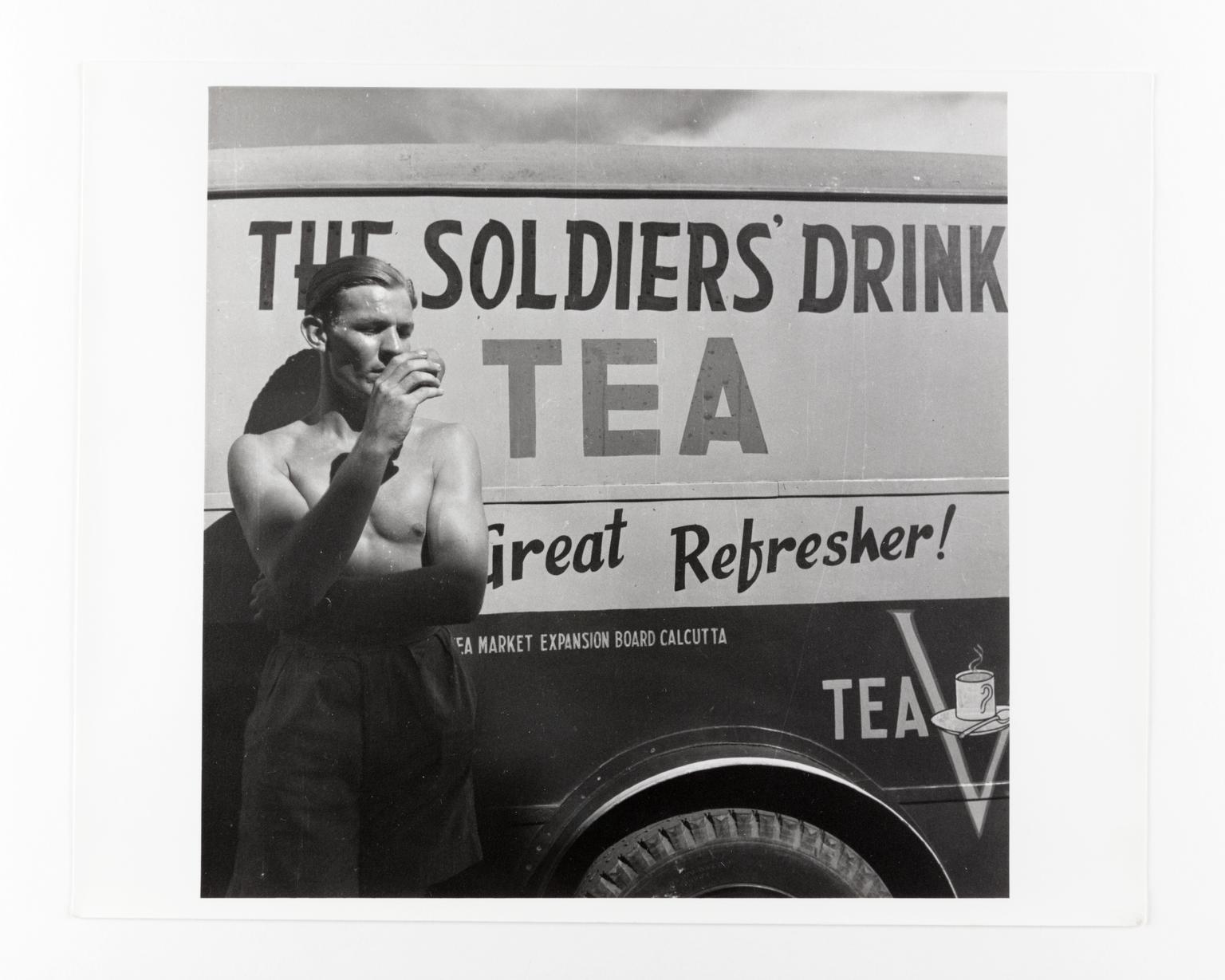
I don’t know if this hypothesis can pass mustard*… [Ed. note: What does mustard have to do with tea?!? Nvm, see the explanation below.] But let’s consider the possibility. (After all, sweet tea is awesome, arguably the best drink out there.)
So if tea gave them so much world-conquering power, what happened? Obviously their empire is not so large now. Well, once their influence spread around the world, everyone knew about the wonders of tea and so there was more balance. I suppose that could explain that part. That’s good enough for me. (Further debate is beyond the scope of this article, but feel free to comment if you have more insight.)
Disclaimer: if you are a student in school, your history teacher may not know about this theory. So ask them about it before putting it as an answer on your homework or tests. If they tell you otherwise, go with their answer. As Bart Simpson once had to write many times on the chalkboard, “I will not expose the ignorance of the faculty.” 🙂
* This is an eggcorn**. The saying is supposed to be “pass muster”, which originally referred to a military inspection. I misquoted it on purpose to be funny, but if you don’t know the original, it’s probably not funny. (But it is still random, regardless, so there’s that.)
** I just learned the word eggcorn. How have I not heard of this before? I enjoy occasionally misusing words and phrases (for humorous purposes), so I’ve been using them for years without knowing what they were called. Why didn’t I learn about this in school?*** Anyway, an eggcorn is a misunderstanding or mishearing of a word or phrase. Some common examples are “mute point” for “moot point”, “ice tea” instead of “iced tea”, “I could care less” which means you do care, “intensive purposes” for “intents and purposes”, “escape goat” for “scapegoat”, etc. But sometimes phrases are improved by eggcorns, like “chomping at the bit” instead of “champing at the bit”, and “free reign” instead of “free rein”. (Here’s a link for more about eggcorns.)
*** So I looked up the origins of the word eggcorn, and it was invented in 2003 when someone asked a linguist why some people say “egg corn” instead of “acorn”. He suggested calling that type of word/phrase an eggcorn, and the usage has become proper, with eggcorn being added to the Oxford English Dictionary in 2010. So that’s why I hadn’t heard of it — it hasn’t been around that long. Also, it’s similar to a mondegreen, which usually applies to misheard song lyrics.
So now you know… and knowing is half the battle.
 Buffet o' Blog